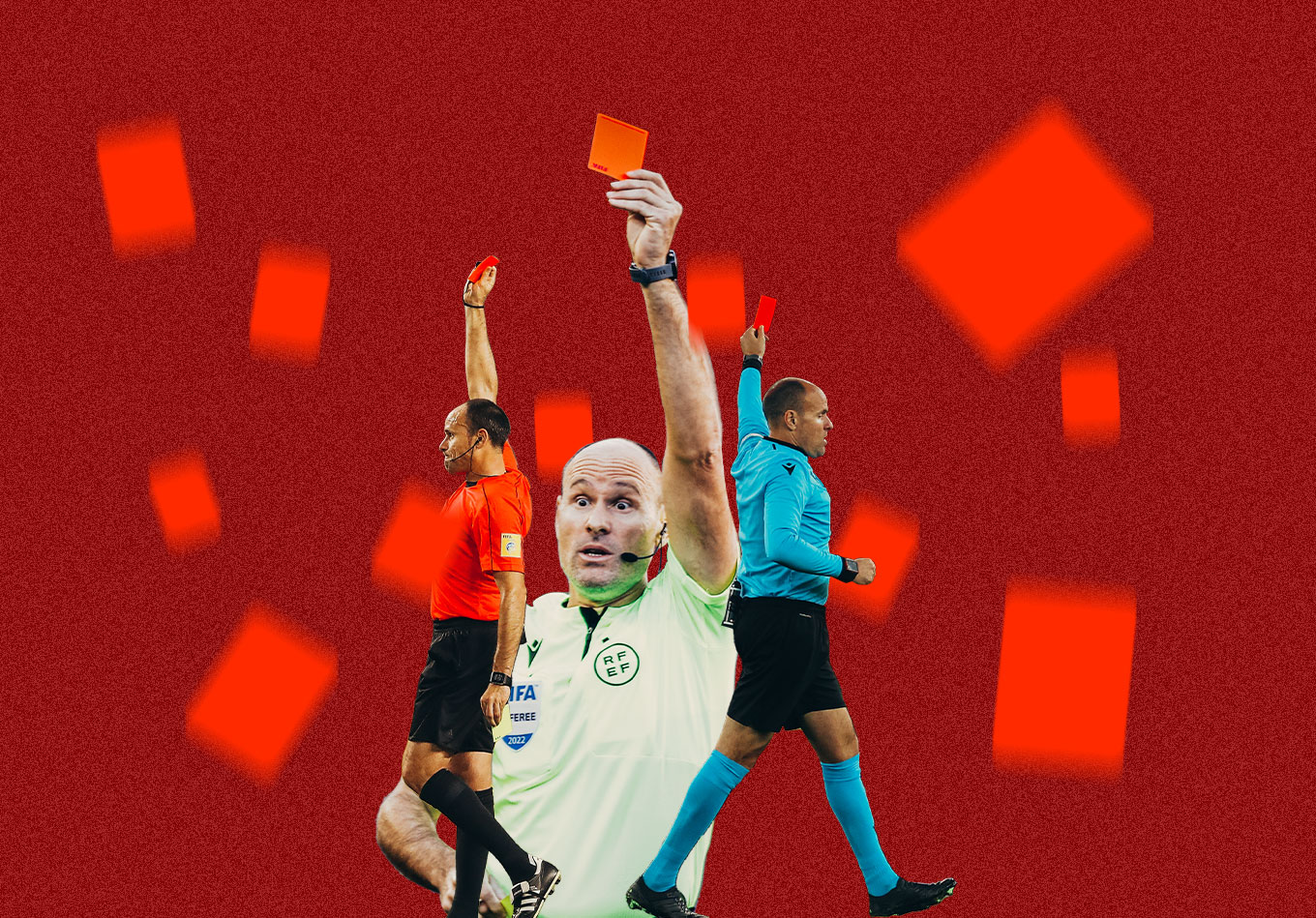
Red cards in La Liga are not purely random incidents. They emerge from repeatable pressures created by matchup dynamics, tactical stress, and officiating context. Certain fixtures consistently produce higher dismissal risk because they combine emotional intensity with structural triggers that increase late tackles, dissent, and denial scenarios. Analyzing these fixtures requires moving beyond team reputations to understand the conditions that turn friction into expulsion.
Why Red Card Risk Can Be Anticipated Before Kickoff
Dismissals often follow predictable pathways. The cause typically begins with tactical imbalance or emotional stakes, the outcome is repeated high-risk interventions, and the impact is disciplinary escalation. When fixtures feature asymmetric control or rivalry-driven tempo, players face more last-ditch decisions. Anticipation comes from identifying these stressors early rather than reacting to isolated fouls.
Matchup Dynamics That Elevate Dismissal Probability
Certain matchup profiles reliably elevate risk by compressing time and space. When one side dominates territory and the other relies on recovery defending, foul frequency rises near critical zones. Emotional narratives intensify this effect, shortening players’ tolerance thresholds.
Before listing these dynamics, it is important to note that red card risk compounds across minutes. Early friction sets patterns that referees manage more tightly as the match progresses.
High-risk matchup dynamics include:
- Dominant possession teams forcing repeated recovery tackles
- Underdogs defending deep with stretched back lines
- Local derbies amplifying emotional responses to contact
- Fixtures with recent historical flashpoints between squads
Interpreting this list requires synthesis. Dominance without penetration raises tactical fouls, while deep defending without cover invites denial-of-goal situations. The impact is cumulative: each forced intervention increases the probability of a decisive disciplinary moment later.
Tactical Triggers That Convert Pressure Into Red Cards
Tactical triggers are specific actions that turn pressure into dismissals. These include counter-stopping fouls, late lunges after broken lines, and repeated dissent following perceived injustices. Teams that press high or defend narrow channels create more of these triggers per phase.
Mechanisms That Escalate From Fouls to Dismissals
Repeated infringements in similar zones attract referee attention. When recovery sprints occur toward the box, the margin for error narrows. A single mistimed challenge becomes denial, and denial becomes red. These mechanisms explain why some teams accumulate cards late despite disciplined starts.
Referee Profiles and Their Interaction With Fixture Intensity
Referee tendencies matter because tolerance thresholds vary. Some officials manage through early cautions; others allow physicality until escalation forces intervention. When high-intensity fixtures meet low-tolerance referees, dismissal probability increases.
This interaction explains variance across otherwise similar matches. Understanding who officiates is as important as understanding who plays, because discipline is enforced contextually rather than uniformly.
Comparing High-Risk and Low-Risk Fixtures
A comparative lens clarifies why certain games trend toward dismissals while others do not.
| Fixture Profile | Contact Frequency | Referee Intervention | Red Card Risk |
| Asymmetric control | High | Late, decisive | Elevated |
| Balanced mid-table | Moderate | Early management | Lower |
| Rivalry derby | Very high | Variable | Elevated |
This comparison highlights interaction effects. Risk rises when contact is frequent and management is delayed. The impact is sharper late-game enforcement that converts accumulated fouls into a single dismissal.
Situational Conditions That Amplify Card Risk
Conditions external to tactics often amplify risk. Heat, travel fatigue, and table pressure reduce decision quality. Matches where points materially alter standings increase emotional load, making dissent and retaliation more likely.
Conditional Scenarios That Suppress Red Cards
Conversely, early two-goal leads or slow-tempo openings can suppress risk by lowering defensive urgency. These conditions disperse pressure, reducing the need for emergency actions.
Using Red Card Risk in Data-Driven Evaluation
From a data-driven betting perspective, red card probability is a modifier rather than a standalone prediction. When fixture dynamics point to elevated risk, analysts assess how markets price volatility and late-game swings. Under situational observation, those comparing ancillary markets sometimes review pricing behavior within a betting environment connected to platforms such as ยูฟ่าเบท. The analytical relevance lies in whether dismissal-driven volatility is underweighted when structural triggers are present, allowing informed adjustment without assuming inevitability.
Common Misreadings of Red Card Indicators
Red cards are often misattributed to aggression alone. This overlooks structural stressors that force mistakes.
Before listing errors, it is important to emphasize that discipline outcomes are contextual.
Frequent analytical errors include:
- Overemphasizing team “temperament” without matchup context
- Ignoring referee tolerance profiles
- Treating early fouls as predictive without accumulation patterns
- Assuming rivalry guarantees dismissal
Interpreting these errors refines judgment. True risk appears where pressure, triggers, and management converge, not where narrative expectations dominate.
Summary
La Liga fixtures with high red card probability emerge from identifiable interactions between matchup dynamics, tactical triggers, referee profiles, and situational stress. Anticipation depends on recognizing how pressure accumulates and when enforcement tightens. By focusing on structure over narrative, analysts can better assess dismissal risk as a contextual outcome rather than a random event.