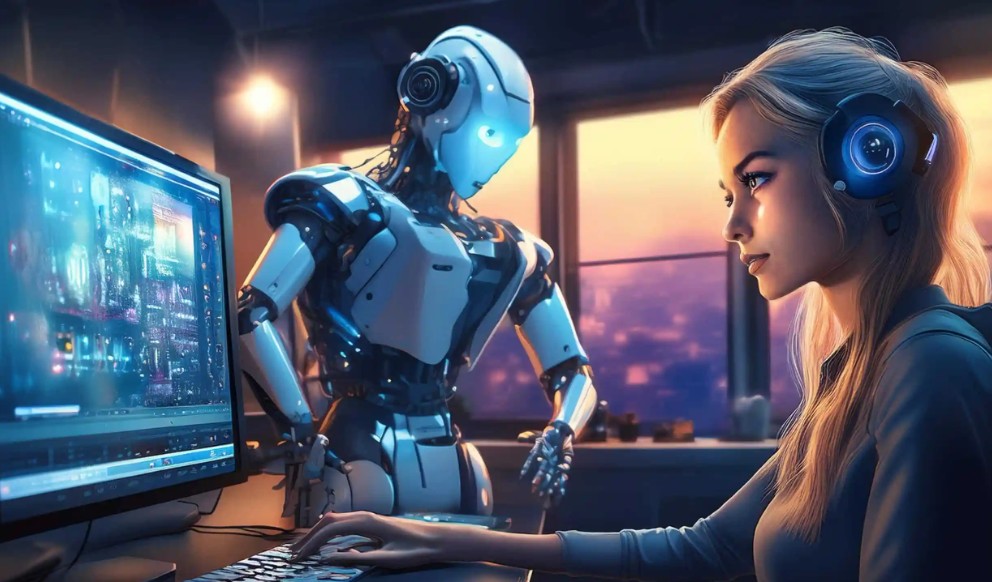
AI video editing has moved quickly from a niche experiment to a mainstream tool. Promises of faster workflows, automated edits, and “professional results in minutes” are everywhere. AI video editing can be genuinely useful in the right situations—and disappointing in others. This article breaks down what AI video editing actually does today, where it delivers real value, where it falls short, and how creators are realistically using it in their workflows.
What “AI Video Editing” Actually Means Today
Despite how it’s often described, AI video editing rarely means handing over raw footage and getting a finished, publish-ready video with no human input. In most cases, AI works as an assistant, not a replacement.
Modern AI video editing tools usually focus on specific tasks such as:
- Detecting scenes or silences
- Automatically cutting or trimming clips
- Generating captions and subtitles
- Enhancing audio quality
- Applying preset styles or templates
- Identifying faces or objects for tracking
Some tools, like the gstory AI video editor, combine multiple features in a single platform, making these tasks more accessible even for creators with minimal experience.
These features rely on machine learning models trained to recognize patterns—speech, motion, visual contrast—not creative intent. That distinction matters. AI can identify what is happening in a video, but it struggles to understand why something should be emphasized, removed, or reordered. In practice, most “AI editing” tools are traditional editors with automation layered on top.
Where AI Video Editing Actually Works Well
There are several areas where AI video editing performs reliably and consistently saves time. One of the strongest use cases is repetitive or mechanical tasks. Trimming long pauses in talking-head videos, syncing captions to speech, or enhancing uneven audio levels are jobs that AI handles well. These tasks don’t require creative judgment, just pattern recognition.
AI also works well for short-form content, especially videos designed for social platforms. Automatically generating clips from longer videos, resizing content for different formats, or adding readable captions can significantly reduce manual effort.
Another area where AI shines is accessibility. Captioning, transcription, and translation—while not always perfect—make content more accessible and easier to distribute across platforms.
Even specific tasks such as, remove watermarks from video have become easier with AI-assisted tools, though caution is necessary to ensure usage aligns with copyright and ethical standards. In these scenarios, AI doesn’t replace creative work. It removes friction from the editing process.
What AI Video Editing Still Doesn’t Do Well
Where AI struggles most is with creative decision-making.
Storytelling, pacing, emotional tone, and visual rhythm are highly contextual. AI can detect a scene change, but it doesn’t understand whether that scene supports the narrative. It can remove pauses, but it doesn’t know when a pause adds emphasis or authenticity.
AI also tends to produce generic results when overused.
Template-based edits often look polished but lack personality. This can be a problem for creators trying to build a recognizable style or brand.
Accuracy is another limitation. Captions can misinterpret words, especially with accents or technical terms. Scene detection can fail with complex footage. These errors aren’t deal-breakers, but they require human review—something marketing pages often gloss over.
AI Video Editing vs. Traditional Editing: A Practical Comparison
Traditional video editing offers full control but demands time and skill. AI editing trades some of that control for speed and convenience.
AI tools are generally faster, especially for first drafts or bulk processing. They can reduce editing time significantly for creators producing high volumes of content. However, that speed often comes at the cost of precision.
Cost is another factor. Many AI tools operate on subscription models. While this can be affordable for frequent users, it may not make sense for occasional editors.
In practice, many creators don’t choose one or the other. They combine both.
How Creators Are Actually Using AI in Real Workflows
Most experienced creators use AI as a first-pass assistant. A common approach is to let AI handle rough cuts, captions, or enhancements, then manually refine the output. This hybrid workflow saves time while preserving creative control.
For example:
AI trims silence → human adjusts pacing
AI generates captions → human corrects errors
AI enhances audio → human balances tone
This approach acknowledges both the strengths and limits of AI. It also reduces frustration, since expectations are aligned with reality.
Common Misconceptions About AI Video Editing
One of the biggest misconceptions is that AI will “replace” editors. In reality, it replaces specific tasks, not creative roles.
Another mistake is choosing tools based on feature lists instead of workflow fit. Not every AI feature is useful for every content type. More automation doesn’t automatically mean better results.
There’s also a tendency to trust AI output without review. This can lead to subtle quality issues that affect credibility, especially for educational or professional content.
When AI Video Editing Makes Sense—and When It Doesn’t
AI video editing makes the most sense when:
- Speed matters more than precision
- Content follows predictable formats
- Output volume is high
- Editing tasks are repetitive
It makes less sense when:
- Storytelling is complex
- Visual style is central to the content
- Footage is highly variable or cinematic
- Quality expectations are extremely high
Understanding this distinction prevents disappointment and wasted time.
Ethical, Quality, and Long-Term Considerations
As AI tools become more common, questions around originality and authenticity matter more. Over-automation can make content feel impersonal or formulaic, which audiences notice.
There’s also the issue of platform policies and transparency. While AI-assisted editing is widely accepted, misleading viewers about how content is created can harm trust.
Long-term, relying entirely on third-party tools also carries risks—pricing changes, feature removals, or shifts in output quality. Maintaining core editing skills remains important.
The Future of AI Video Editing: Realistic Expectations
AI video editing will continue to improve, especially in accuracy and contextual understanding. But progress is likely to be incremental, not revolutionary. AI will get better at assisting editors, not replacing them. Human judgment, taste, and intent will remain central to quality video production. Creators who treat AI as a tool—not a shortcut—are the ones most likely to benefit long-term.
Final Thoughts: Using AI Video Editing the Right Way
AI video editing isn’t magic, but it isn’t useless either. It works best when used deliberately, with clear expectations and human oversight.
When creators focus on outcomes instead of features, AI becomes a practical helper rather than a source of frustration. The key is knowing where it adds value, where it doesn’t, and why. That understanding—not the tool itself—is what ultimately improves content quality.