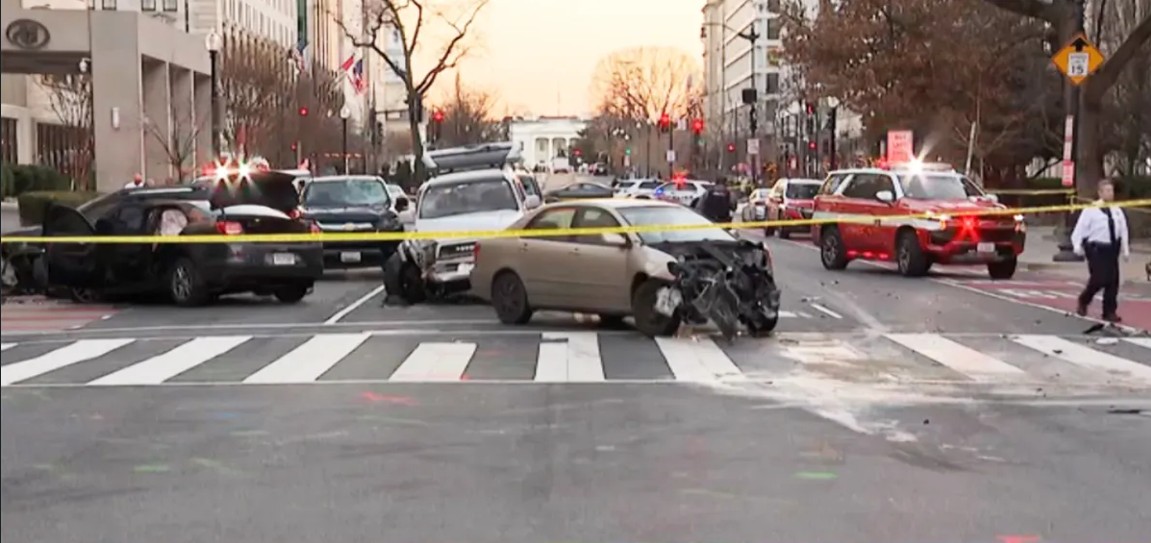
Walking in Washington, DC should feel simple. Cross the street, follow the signal, keep moving. But one driver mistake can change everything fast. A pedestrian crash brings shock, pain, and confusion. Many people don’t even know what to do next. Filing a claim is not just paperwork. It is about getting medical care paid for, lost pay covered, and some sense of balance back. Let’s break it down in plain terms.
When the street turns unsafe
A pedestrian accident usually happens in seconds. A driver may be distracted, speeding, or just not paying attention. One moment you’re crossing. Next moment, you’re on the ground. Right after the crash, things feel unreal. Your body may be in pain, but your mind is still catching up. This is normal. If possible, basic steps help:
- Move to a safe spot
- Call emergency help
- Get medical care right away
- Take photos if you can
- Collect witness names
Even small details matter later. A street photo or a license plate can carry weight.
Filing a claim in DC: what it really means
A claim is a formal request for money after injury. It goes to the driver’s insurance company. In DC, fault rules matter a lot. If the driver caused the crash, their insurance may pay damages. But insurance companies don’t hand money out easily. They look for gaps. They ask questions. They may even push back hard. A claim usually covers:
- Hospital bills
- Follow-up treatment
- Lost income
- Pain and stress
- Long-term care needs
Sounds simple, right? It is not. The details decide everything.
Step-by-step: how claims usually move
Every case is different, but most follow a path. First comes medical care. Always. Then comes reporting. Police reports often help support your version of events. Next is evidence gathering:
- Medical records
- Accident reports
- Camera footage if available
- Witness accounts
After that, a claim is filed with the insurer. Then the back-and-forth begins. Offers may come early. They are often lower than expected. Some people accept too soon. That can hurt later. This is where patience matters more than speed.
Injuries that change daily life
Pedestrian crashes are not small bumps. The human body takes the hit, not metal. Common injuries include:
- Broken bones
- Head injuries
- Spinal damage
- Cuts and deep bruises
- Internal injuries
Some heal with time. Others stay longer than expected. A simple walk can turn into months of therapy. That part hits harder than people expect. Even basic tasks like climbing stairs or carrying groceries can feel different.
Who is at fault? It is not always clear
Fault is the core of every claim. In many cases, the driver is at fault. Speeding, texting, or ignoring signals are common causes. But sometimes it gets mixed. Maybe a pedestrian crossed outside a crosswalk. Maybe visibility was low. Insurance companies use these details to reduce payouts. That is why evidence matters. Small facts can shift the outcome:
- Traffic light timing
- Street lighting
- Camera footage
- Skid marks
- Phone records
Nothing is random in these cases. Every detail tells part of the story.
Why legal help often becomes part of the process
Pedestrian claims can feel like a second fight after the crash. Doctors handle the body. Lawyers handle the pressure from insurance companies. Price Benowitz Accident Injury Lawyers, LLP works with people injured in crashes across Washington, DC. Their focus includes car, truck, bus, bicycle, and pedestrian accidents. They also handle serious injury cases like burns and spinal harm. A firm like this steps in when things feel stuck. They gather proof, deal with insurers, and push for fair results. If you want a starting point, many people look up a DC Personal Injury Lawyer early. It helps them understand rights before talking to insurance companies.
When life feels split in two
After a pedestrian crash, life often feels divided. Before and after. One day you’re walking to work or school. The next day you’re dealing with hospital visits and phone calls. Recovery is not just physical. Stress builds up. Sleep gets worse. Even crossing a street can feel strange again. That emotional side often gets ignored. But it matters just as much as medical care.
FAQs: Pedestrian Accident Claims in Washington, DC
1. How long do I have to file a claim in DC?
You usually have three years from the crash date. This time limit is strict If you wait too long, you may lose the right to claim Starting early helps protect evidence and witness memory.
2. What if I was partly at fault?
You may still have a case. DC follows a strict fault rule. If you are found mostly at fault, recovery may be limited. Small details become very important in these situations.
3. Do I need a police report?
Yes, it helps a lot. A police report supports your version of events. It includes driver details and witness notes. Even if missing, other evidence can still support your claim.
4. What kind of money can I recover?
It depends on your losses. You may recover:
- Medical costs
- Lost income
- Rehab expenses
- Pain impact
Serious injuries often lead to higher long-term costs. Every case is unique.
5. Should I talk to the insurance company myself?
You can, but be careful. Insurance adjusters may sound friendly. Still, their goal is often to limit payouts. Many people choose legal help before giving detailed statements.