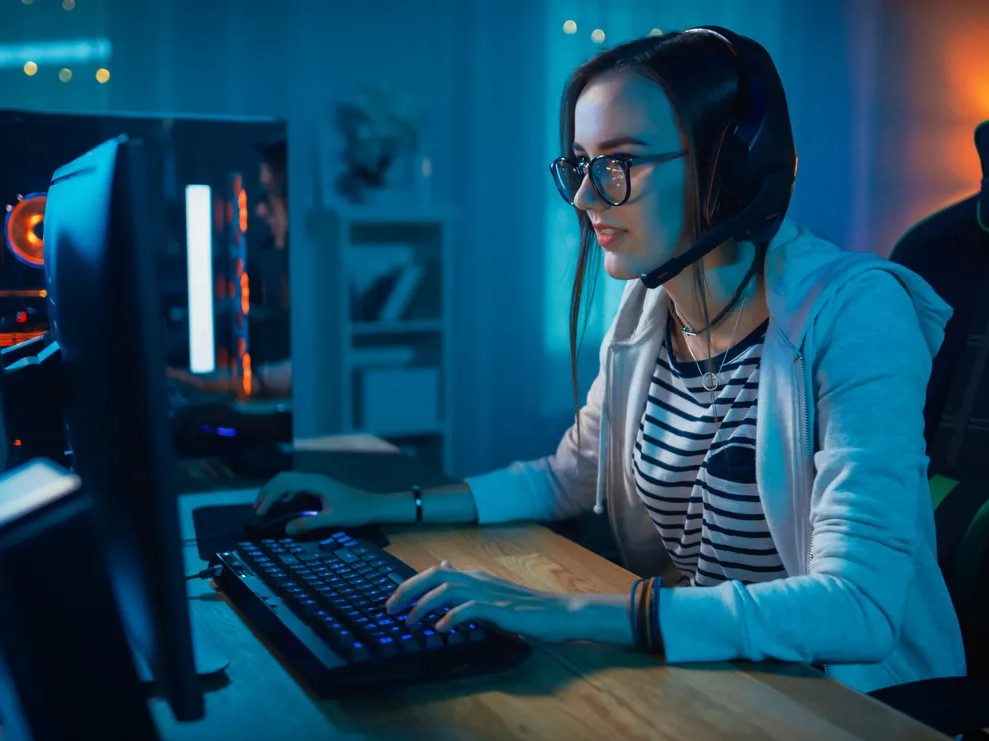
Online mahjong is no longer just a form of entertainment—it has become a platform that fosters cognitive growth, social connection, and creativity. Millions of players worldwide engage in games that challenge the mind, encourage teamwork, and offer immersive experiences. Far from being a passive activity, online gaming can have meaningful benefits that extend beyond the screen.
This article explores the cognitive, social, and emotional advantages of online gaming, highlighting why it has become such a significant part of modern digital life.
Cognitive Benefits of Online Gaming
Online games often require players to think critically, solve problems, and make quick decisions, enhancing various cognitive skills:
- Strategic Thinking: Multiplayer strategy games such as League of Legends challenge players to plan long-term, anticipate opponents’ moves, and adjust tactics dynamically.
- Problem-Solving: Puzzle and quest-based games, including titles like Portal 2, improve logical reasoning and analytical skills.
- Memory and Attention: Games that require multitasking or remembering complex patterns, such as Hearthstone, enhance memory, focus, and attention to detail.
- Hand-Eye Coordination: Fast-paced shooters like Valorant improve reflexes, timing, and spatial awareness.
These mental exercises make gaming not only enjoyable but also a valuable tool for developing critical cognitive abilities.
Social Interaction and Teamwork
Online gaming also provides robust opportunities for social connection and collaboration:
- Teamwork: Games like Destiny 2 require coordinated strategies, fostering communication and leadership skills.
- Global Friendships: Players interact with peers from around the world, encouraging cultural exchange and building international networks.
- Community Engagement: Multiplayer and live-service games promote shared experiences and participation in online communities, offering a sense of belonging.
These social benefits demonstrate that online gaming is more than an individual pastime—it’s a platform for meaningful interpersonal development.
Emotional and Psychological Advantages
Beyond cognitive and social skills, online gaming can provide emotional and psychological benefits:
- Stress Relief: Immersive gameplay allows players to relax and unwind from daily pressures.
- Confidence Building: Achieving goals, completing challenges, or succeeding in competitive matches boosts self-esteem.
- Creativity: Games like Minecraft encourage imaginative problem-solving and creative design.
By offering challenges and rewards, online gaming can support emotional well-being and mental resilience.
Professional and Learning Opportunities
The rise of esports and educational games has created new avenues for skill development and career growth:
- Esports Careers: Competitive gaming has turned players into professionals, commentators, and content creators.
- Educational Games: Titles designed to teach coding, language skills, or math provide a fun, interactive learning environment.
- Streaming and Content Creation: Platforms like Twitch allow players to monetize their gaming skills while building communities.
These opportunities show that gaming can be both enjoyable and professionally rewarding.
Responsible Gaming Practices
While online gaming has many benefits, moderation is crucial for healthy engagement:
- Maintain balanced screen time to avoid fatigue.
- Ensure positive behavior and inclusivity in online communities.
- Protect personal data and privacy.
- Prioritize social and physical activities outside gaming.
Responsible gaming ensures that players gain cognitive, social, and emotional benefits without negative consequences.
The Future of Gaming for Mind and Social Growth
The future of online gaming promises even more opportunities for development:
- Virtual Reality (VR) Experiences: Fully immersive worlds that enhance problem-solving and collaboration skills.
- AI-Powered Adaptive Challenges: Games that adjust difficulty to suit individual learning and cognitive growth.
- Socially Driven Platforms: Multiplayer environments that encourage teamwork, communication, and creative collaboration.
These innovations will continue to strengthen gaming as a tool for mental, social, and emotional development.
Conclusion
Online texas88.com is no longer just entertainment—it is a platform that nurtures the mind, fosters social connections, and supports emotional growth. From improving critical thinking and problem-solving skills to promoting teamwork and creativity, the benefits extend far beyond the screen.
With ongoing technological advancements and expanding global participation, online gaming is shaping the future of learning, social interaction, and personal development in the digital age.